Meeting with Bozell: The ANC-led Government is Silent
On 2 July 2026, leaders from 6 Afrikaner organisations met US Ambassador Brent Bozell at the US Embassy in Pretoria, presenting formal proposals to resolve the Pretoria-Washington rift.
The South African government has not commented on the meeting, despite receiving 5 formal US requests earlier this year that also remain unanswered.
More than 7,000 South African citizens have resettled in the US under a refugee programme that Washington expanded to 17,500 slots in May, citing a formal emergency situation linked to the conduct of the South African government.
Civil society’s embassy visit, widely attacked as divisive, was preceded by repeated attempts to engage the ANC-led government directly. Only 1 of the 2 governments they approached opened its door.
The United States handed the South African government a list of 5 formal requests earlier this year. As of this week, Washington says it is still waiting for a reply.
So on Thursday 2 July, leaders from the Solidarity Movement, AfriForum, the trade union Solidarity, SAAI, NEASA and the Freedom Front Plus walked into the US Embassy in Pretoria and put proposals on the table themselves.
Ambassador Leo Brent Bozell III posted about the meeting himself, saying the parties discussed how Washington’s focus on the community can contribute to a safer and more prosperous South Africa. AfriForum’s Kallie Kriel confirmed the delegation presented proposals on how the dispute between the United States and the South African government could be resolved, following months of input to both governments.
What Was Actually Proposed
By Friday 3 July, Kriel had detailed the substance of those proposals. The relationship cannot be restored by words alone, he said. Concrete steps are required.
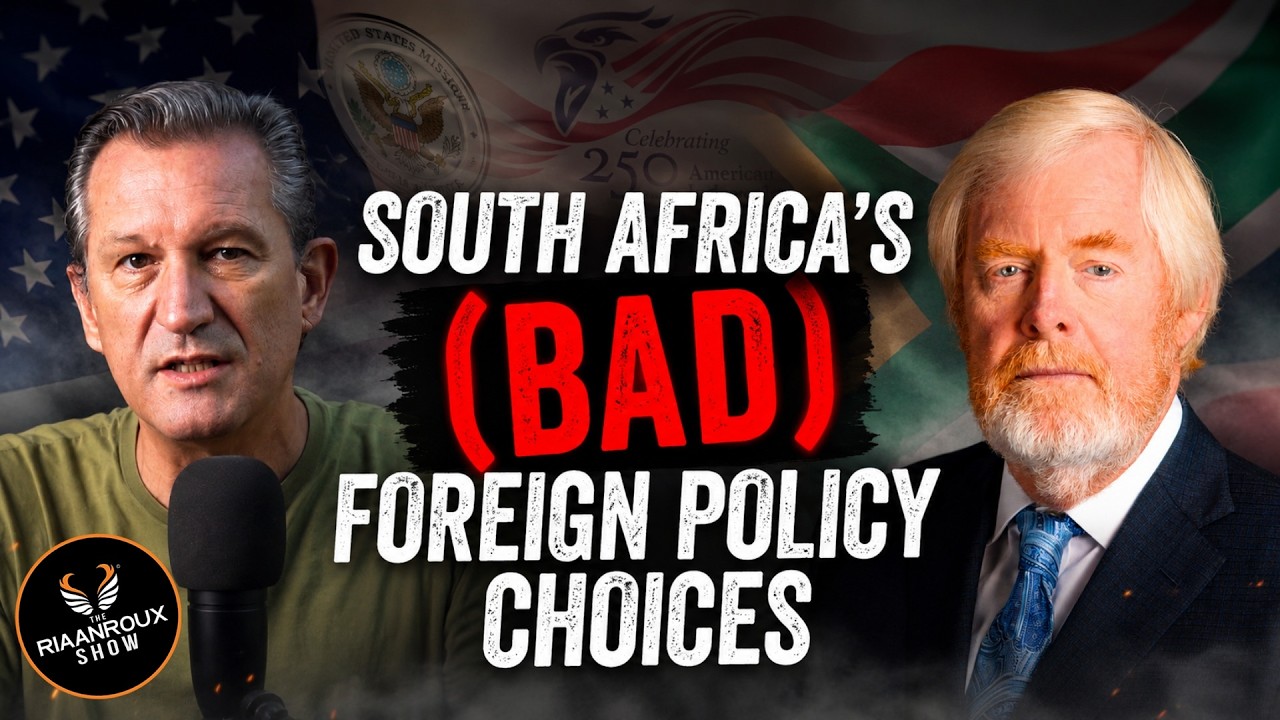
Those steps include amendments to the Expropriation Act to stabilise property rights, the declaration of farm murders as a priority crime with additional resources, formal government condemnation of the “Kill the Boer” slogan, action on more than 140 pieces of racial legislation, and a genuinely non-aligned foreign policy.
The figure of 140 is not an AfriForum invention. It is the number at the centre of RSACRA’s High Court challenge to race-based laws — a case examined in detail in a previous report on this site.
“Our plea is not to punish the country for the behaviour of ANC politicians. Rather, look at action against those people who are responsible.” — Kallie Kriel, AfriForum
The framing of that request deserves attention. The organisations most loudly accused of inviting foreign sanctions are the organisations that specifically asked Washington to spare the country and target named decision-makers instead.
The Empty Chair
Ambassador Bozell has stated publicly that the United States presented 5 formal requests to the South African government to improve the bilateral relationship, and that Washington has received no reply. Those requests cover the same ground as the proposals above: rural safety, property rights, race-based legislation, and foreign policy alignment.
As of the date of this report, the South African government has issued no statement about the 2 July meeting. DIRCO has given no indication it intends to respond.
The embassy was not these organisations’ first choice of forum. Kriel confirmed the proposals were submitted to both governments. Only 1 of them opened its door.
When a government leaves formal questions from its largest trading partner unanswered for months, the conversation does not pause. It continues without that government. Somebody else will always be willing to have it.
The Exodus in Numbers
US State Department arrivals data, current to 31 May 2026, records 6,665 South Africans resettled under the refugee programme since 1 October 2025. Including arrivals before that date, the cumulative total stood at approximately 7,000 by the end of May, before accounting for a single June arrival. The total has almost certainly passed 7,000 since.
These citizens are leaving citing exactly the categories of discrimination and safety risk that the 2 July proposals address.
In late May, Washington moved to raise the refugee cap from 7,500 to 17,500, reserving the additional 10,000 slots specifically for South Africans. The legal mechanism for a mid-year cap increase requires the US president to formally declare an unforeseen emergency refugee situation. That declaration, now published in the Federal Register, identifies the conduct of the South African government and leaders of prominent political parties as the basis for the emergency.
A foreign government has formally declared an emergency over the treatment of South African citizens. The government those citizens elected has not commented on a civil society meeting about it.
President Ramaphosa’s public response to the citizens who have left has been to describe them as cowards. The government has found its voice to dismiss them, and found nothing to say to those who stayed to fix the problem.
The Pushback
Criticism of the meeting came quickly. Adriaan Basson of News24 argued the organisations in the room represent only a minority of Afrikaners and have no mandate to speak on behalf of all of them, suggesting the ambassador invite language, cultural or agricultural bodies instead.
Kriel’s response cited a survey by Ground Control Research attributing 81% support for AfriForum and Solidarity among Afrikaners. That figure has not been independently verified, and should be treated as AfriForum’s claim pending publication of the full research. One detail, however, complicates the dismissal: Kriel says the survey was commissioned by the Betereinders, an organisation that actively opposes AfriForum’s approach. If accurate, the strongest evidence for AfriForum’s support base was funded by opponents attempting to disprove it.
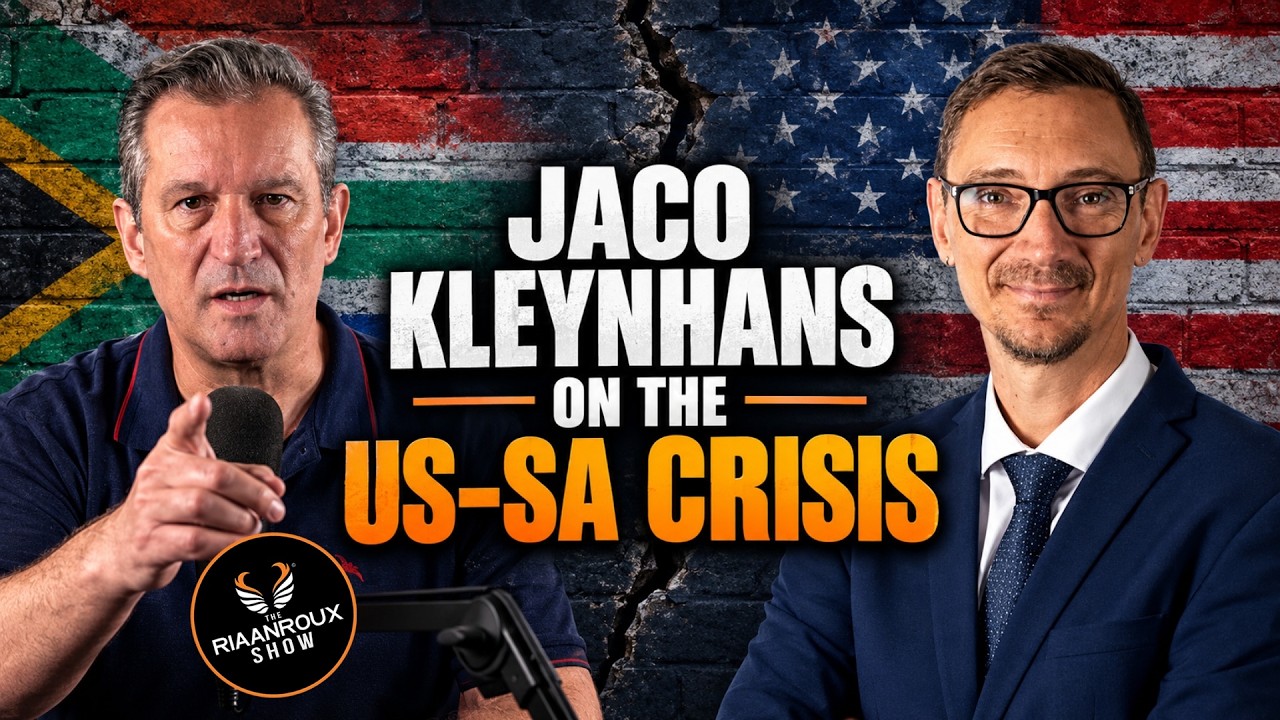
Solidariteit’s Jaco Kleynhans added that the bodies Basson proposed as alternatives are language, cultural or agricultural organisations by design. They do not claim to represent Afrikaners politically, and were not positioned to have a political engagement with an ambassador.
The GNU Argument
Political analyst Dr Seshupo Mosala argued, in IOL reporting by Brandon Nel, that the Freedom Front Plus had avenues within the Government of National Unity to raise its concerns, and instead chose a route that undermines the administration.
The argument has surface logic. It does not survive contact with the record.
The inside route only functions if the government responds to questions raised through it. On this specific file, the record is 5 formal US requests and 4 months of documented silence. The route existed. It was used. It produced nothing.
The Freedom Front Plus was also 1 of 6 organisations in the room. The other 5 are entirely outside the GNU. They have no inside route to abandon, and were never expected to have one.
The Economic Consequence
South Africa was subject to a 30% US tariff from August 2025. The US Supreme Court struck that tariff regime down in February, and the country now operates under a 10% blanket tariff under a separate legal authority. That 10% falls directly on exporters and the employment that depends on them.
“When the United States benefits fall away, it affects ordinary people, not the political elite at the ANC who follow reckless policy directions.” — Kallie Kriel
The contrast between the 2 approaches is factual, not rhetorical. On one side, civil society organisations that spent months drafting proposals and presented them to 2 governments, asking a foreign power to spare the country and target responsible individuals. On the other, a government that has had 5 formal questions in writing since earlier this year and answered none of them.
The accusation of division, directed at those in the room, ignores the question of who was not.
Analysis
What the 2 July meeting actually demonstrates is an institutional failure of a specific kind. It is not that Afrikaner organisations went to the embassy. It is that the space for that meeting was created, and held open for months, by a government that chose not to fill it.
The pattern is not new. In November last year, the same organisations visited Washington under the previous ambassador. The media reached for the same framing. The government said nothing then either.
What has changed is the formal record. A presidential emergency declaration in a foreign Federal Register, citing your government’s conduct. A refugee programme approaching 7,000 departures. A bilateral relationship running on civil society correspondence because no official correspondence is coming from Pretoria.
A government that refuses to answer for South Africa has no grounds to complain when South Africans answer for themselves.
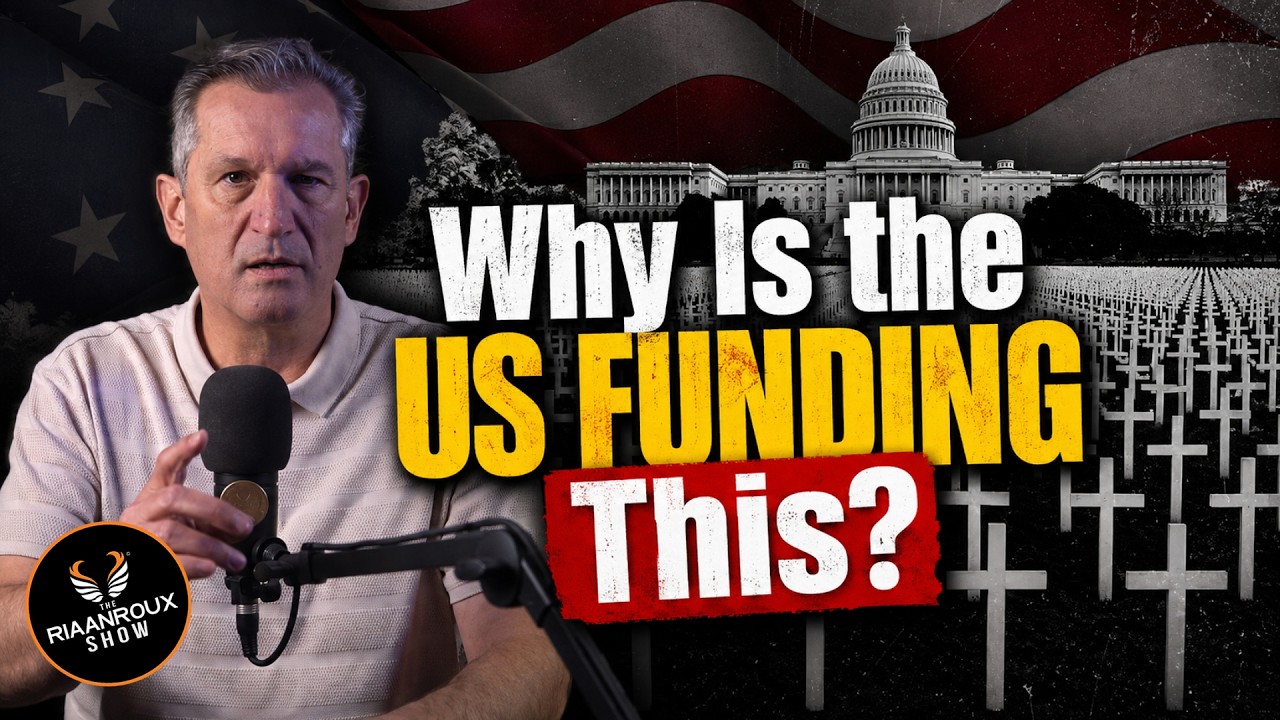
Watch the full video breakdown on the Riaan Roux Show YouTube channel.